Haruy: A Modern Typeface That Elevates Handmade Products
As a small shop owner, I’m always hunting for fonts that don’t just look beautiful on my screen but actually work hard on physical products. Haruy caught my eye immediately. It’s a modern and stylish typeface with clean lines and a contemporary vibe that feels both fresh and trustworthy. Whether I’m designing candle labels, wedding welcome boards, or a new line of digital planner stickers, this font has quickly become one of my go-to choices when I need something that reads clearly and adds that subtle, polished touch customers notice.
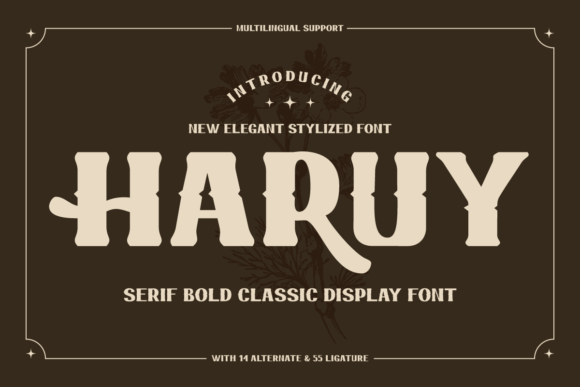
Haruy falls squarely into the display font category, which means it really shines when used for headlines, quotes, logos, and short bursts of text. It isn’t overcrowded with unnecessary curls or heavy strokes, yet it still carries a personality that lifts a design above the ordinary. For crafters, printable creators, and handmade sellers, finding that sweet spot between visual appeal and practicality is a challenge, but Haruy manages it with a quiet confidence.
For Product Labels That Stand Out
Product labels are often the first thing a customer sees, whether they’re browsing your Etsy shop, scanning a craft fair table, or unwrapping an order at home. Haruy has a crisp, airy quality that makes ingredients lists, scent names, or short taglines pop without overwhelming the rest of your packaging. I’ve used it on frosted glass candle labels, where the light seems to dance around the letterforms. On little apothecary jars, the typeface gave my simple honey-scented soy candles a boutique spa look that helped me raise my price point.
When printing on kraft paper, clear sticker sheets, or glossy white labels, Haruy stays clean and legible. Even at modest sizes—around 10pt or 12pt—the letter shapes hold their structure, which is critical when customers are reading usage instructions or safety notes on small tags. If you make homemade jams, organic dog treats, or hand-poured wax melts, a font like this can instantly elevate how professional your line feels.
Creating Invitations and Stationery with a Clean Edge
Handmade invitations, birthday party suites, and bridal shower cards need typefaces that balance charm with clarity. Haruy’s contemporary look makes it ideal for modern weddings where the theme leans minimalist but still warm. Imagine soft blush backgrounds with the bride and groom’s names sitting beautifully in Haruy at the top of an invitation. Pair it with a flowing script font for the accent lines, and you’ve got a design that feels intentionally curated rather than template-driven.
I’ve also seen Haruy used wonderfully on baby shower invites and milestone birthday cards. Because the typeface doesn’t carry any heavy decorative baggage, it doesn’t fight with illustrations, watercolor florals, or geometric patterns. It lets the supporting visual elements breathe, which is exactly what you need when you’re printing on textured cardstock or vellum. For stationery makers, offering a customizable printable invitation with Haruy as the main typeface can become a bestseller because the design speaks to buyers who want something stylish but not fussy.
Digital Printables and Wall Art That Sell
The printable market thrives on fonts that look compelling in thumbnail previews and hold up under close scrutiny when printed. Haruy delivers on both fronts. For typographic wall art, motivational quotes, or nursery prints, the font’s clean lines create a modern aesthetic that matches popular home decor trends. A simple “You Are My Sunshine” print with Haruy in a matte black frame can appeal to minimalist parents who want something subtle yet meaningful.
In planner pages, budget sheets, and journal inserts, I’ve found Haruy performs well for headers, month names, and section titles. Because it’s so readable, it helps users scan their week at a glance. When I design digital downloads, I always consider how the typeface will look on different screens and printers—Haruy keeps its crispness whether it’s viewed on an iPad or printed on a basic home laser printer. That reliability matters when you’re selling to customers who might not have professional print setups.
Making Your Brand Memorable with Consistent Typography
Over time, your regular customers begin to recognize your style. Using Haruy consistently across your product tags, thank-you cards, social media graphics, and even your booth signage builds a cohesive brand identity. This modern typography carries an understated elegance that can anchor a wide range of products, from tote bags to embroidered patches, without looking out of place.
One of the smartest moves I made was switching all my boutique clothing tags to use Haruy for the brand name. The typeface gave my simple woven labels a high-end fashion feel that surprised me. Customers started asking for matching stickers and gift wrap, which I could then easily create using the same font. When a font becomes a thread that ties your entire product ecosystem together, you know you’ve found something special.
How Haruy Performs on Cutting Machines and Small Prints
Cricut and Silhouette users need to pay careful attention to how a font handles at small sizes and with intricate weeding. Haruy’s letterforms are neither extremely thin nor overly condensed, which makes them a joy to cut. I’ve had success using it for heat-transfer vinyl designs on tote bags and t-shirts, as well as for adhesive vinyl decals on mugs and water bottles. The clean, open counters mean the blade doesn’t have to navigate impossibly tight curves, so you get clean cuts without snagging.
For smaller stickers—think 1-inch round labels or tiny product code stickers—I recommend testing a few sample prints first. While the font holds up better than many display typefaces at reduced sizes, it’s always wise to run a mockup. On a 2-inch circular tag, Haruy can still work beautifully for a brand name or a short phrase like “Handmade with Love,” especially if you increase the tracking slightly for a lighter, airier feel.
Font Pairing Ideas for a Polished Look
Even a standout typeface benefits from a clever pairing. Because Haruy carries a clean, somewhat geometric personality, it plays nicely with both organic and structured companion fonts. For wedding stationery, I love pairing it with a delicate, flowing script font—think brushed letterforms that contrast with Haruy’s steadiness. The combination gives you the romance of handwritten calligraphy with the readability of modern sans serif type.
For packaging and labels, I often combine Haruy with a simple serif font for the body copy. The serif adds a touch of classic sophistication to the ingredient lists or product descriptions, while Haruy handles the product name or scent with contemporary flair. If you’re designing a bold product like a craft beer label or a seasonal candle, try pairing Haruy with a chunky slab serif for the main feature—this mix creates a dynamic tension that draws the eye and feels intentional rather than accidental.
When working on social media graphics or promotional flyers, a handwritten font for the accent text can inject warmth and personality alongside Haruy’s sharp precision. Play with weight and size differences to create clear hierarchy without losing harmony. Sometimes I’ll use Haruy in all caps with generous letter spacing for a high-end logo effect, then let a casual script fill in the secondary details. The result always looks intentional and brand-focused.
Checking the Details Before You Design
Before committing to any font for your product line, take a moment to explore what’s included in the file folder. While Haruy’s design is confidently modern, you’ll want to confirm which styles, weights, and file formats you have available. Some fonts come with handy alternates or ligatures that add custom flair—though I haven’t found these to be essential with Haruy, it’s worth double-checking the included character set and any extras the creator may have bundled in.
Multilingual support is another practical consideration. If you sell to an international market or need to include accents and special characters on your products, verify that Haruy covers those glyphs. Most commercial font descriptions mention this upfront. I also recommend testing the font in your design software at the sizes you’ll actually use, on the materials you’ll actually print on. A quick trial with your label paper, cardstock, or iron-on vinyl prevents surprises and lets you see how the ink lays down.
What You Can Make and Sell – A Note on Licensing
This is the part where many crafters hold their breath. Using a font in commercial products—whether physical goods like mugs and shirts, digital downloads, or client work—requires the right licensing. Haruy is a premium font, which often means it’s available with a standard commercial license that covers many small business uses. However, always read the specific terms. Some creators allow unlimited physical product sales, while others need an extended license for SVG designs or editable templates.
If you plan to use Haruy in logo design for paying clients, in invitation templates that customers can type into, or on merchandise you’ll produce in large volume, take the extra step to secure the appropriate license. Most font shops have straightforward FAQ pages that outline exactly what’s covered. Using a properly licensed design asset not only protects your business but also respects the talent behind the typeface—something that matters deeply in our maker community.
Once you’ve got the license sorted, the creative possibilities truly open up. From crisp wedding welcome signs to cozy farmer’s market packaging, Haruy delivers a modern, clean look that helps your products connect with customers on an emotional level. The right typeface can be the quiet force that turns a casual browser into a loyal buyer, time and time again.